Building Long-Term Consistency: Street Photography Review Tips for Beginners
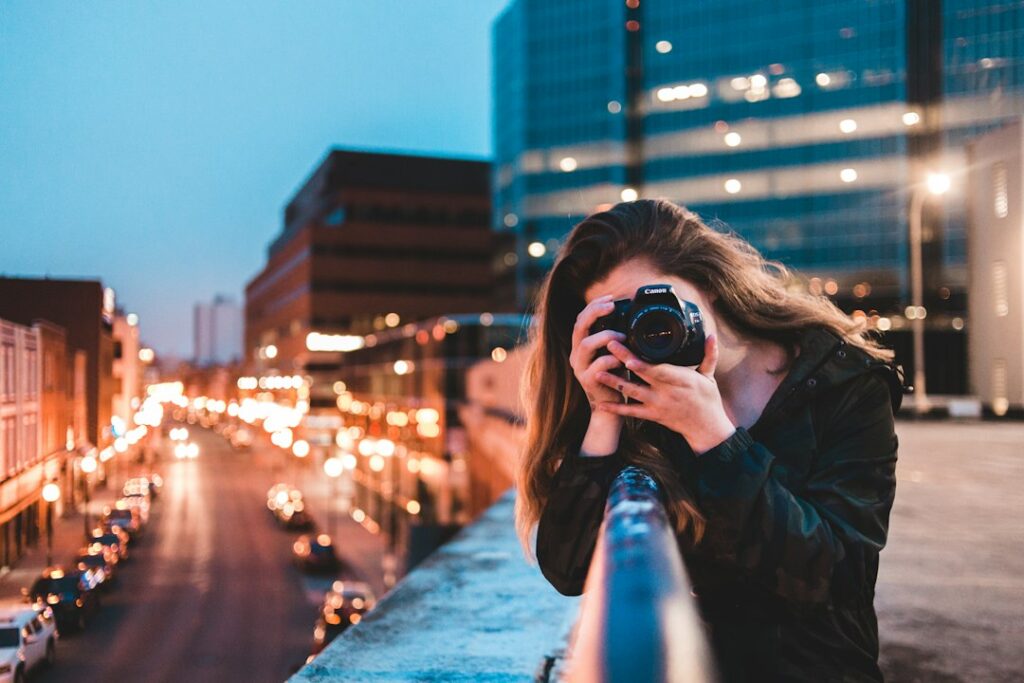
Consistency plays a pivotal role in the realm of street photography, serving as the backbone for developing a unique style and honing one’s skills. For photographers, the act of capturing candid moments in urban environments requires not only technical proficiency but also a commitment to regular practice. By consistently engaging with their surroundings, photographers can cultivate a deeper understanding of light, composition, and the nuances of human behavior. This ongoing engagement allows them to refine their instincts, enabling them to anticipate and seize fleeting moments that might otherwise go unnoticed.
Moreover, consistency fosters a sense of discipline that is essential for artistic growth. When photographers make a habit of regularly venturing into the streets with their cameras, they create opportunities for experimentation and exploration. Each outing becomes a chance to push boundaries, try new techniques, and learn from both successes and failures. Over time, this dedication to consistency can lead to a more cohesive body of work, as photographers begin to develop a recognizable voice that resonates with viewers. In essence, consistency is not merely about frequency; it is about cultivating an artistic practice that evolves and matures over time.
For those looking to enhance their skills in street photography, a great resource to explore is the article on building long-term consistency in this art form. It provides practical tips and insights that can help beginners develop a sustainable practice. You can read more about it in this informative piece found here: Tips for Beginners: How to Build Long-Term Consistency with Street Photography. This article is an excellent starting point for anyone eager to improve their photography journey.
Setting Realistic Goals for Your Photography Practice
Setting realistic goals is crucial for any photographer looking to improve their craft, particularly in the dynamic field of street photography. Goals provide direction and motivation, helping photographers focus their efforts on specific areas of improvement. For instance, a photographer might aim to capture a certain number of compelling images each month or dedicate time to mastering specific techniques such as low-light photography or candid portraiture. By establishing clear and achievable objectives, photographers can track their progress and celebrate small victories along the way.
Additionally, realistic goals help to mitigate feelings of overwhelm that can arise from the vastness of the photographic landscape. Instead of becoming discouraged by the seemingly insurmountable task of mastering every aspect of street photography, photographers can break down their aspirations into manageable steps. This approach not only fosters a sense of accomplishment but also encourages a more focused exploration of the medium. As photographers achieve their goals, they build confidence and motivation to tackle more ambitious projects, ultimately leading to greater artistic fulfillment.
Developing a Daily or Weekly Shooting Routine
Creating a daily or weekly shooting routine can significantly enhance a photographer’s skills and creativity in street photography. Establishing a regular schedule allows photographers to immerse themselves in their environment, fostering familiarity with local scenes and subjects. Whether it’s a morning walk through bustling city streets or an afternoon spent in a quiet neighborhood park, these dedicated times for shooting can lead to unexpected discoveries and unique photographic opportunities. The routine becomes a ritual that not only sharpens technical skills but also deepens the photographer’s connection to their surroundings.
Moreover, a consistent shooting routine encourages photographers to embrace spontaneity and adaptability. While having a plan is essential, street photography often thrives on unpredictability. By committing to regular outings, photographers learn to remain open to the unexpected moments that arise—be it an intriguing interaction between strangers or an unusual play of light on an urban landscape. This balance between routine and spontaneity enriches their photographic practice, allowing them to capture authentic moments that resonate with viewers.
Choosing a Signature Style to Guide Your Work
In the diverse world of street photography, developing a signature style can set a photographer apart from the crowd. A signature style encompasses not only aesthetic choices—such as color palettes and composition techniques—but also thematic elements that reflect the photographer’s unique perspective on the world. By consciously selecting elements that resonate with them, photographers can create a cohesive body of work that tells a story and evokes emotion. This personal touch adds depth to their images and invites viewers to engage with their vision.
Furthermore, having a signature style provides a framework for decision-making during the shooting process. When faced with myriad choices in terms of subject matter and composition, photographers with a clear style can more easily discern what aligns with their artistic vision. This clarity fosters confidence in their work and encourages them to take creative risks within their established parameters. Ultimately, a signature style not only enhances the visual impact of their photographs but also serves as a reflection of their individual journey as artists.
For those eager to enhance their skills in street photography, exploring various resources can be incredibly beneficial. A great starting point is the article on building long-term consistency in this art form, which offers practical tips and insights. Additionally, you might find the related article on impressions of Liverpool to be a valuable read, as it delves into the nuances of capturing candid moments in urban settings, helping beginners understand the importance of patience and observation in their photographic journey.
Learning to Observe and Anticipate Candid Moments
The essence of street photography lies in capturing candid moments that reveal the beauty and complexity of everyday life. To excel in this genre, photographers must cultivate keen observational skills that allow them to notice subtleties in human behavior and interactions. This heightened awareness transforms ordinary scenes into extraordinary photographs, as photographers learn to recognize the potential for compelling imagery in seemingly mundane situations. By training themselves to be present and attentive, they can uncover stories waiting to be told through their lenses.
Anticipating candid moments requires practice and patience. Photographers often find themselves in dynamic environments where timing is crucial; thus, developing an instinct for when to press the shutter is essential. This skill can be honed through experience—spending time observing people in various settings helps photographers understand body language, social dynamics, and the ebb and flow of life around them. As they become more adept at anticipating moments before they unfold, photographers can capture images that resonate with authenticity and emotion.
For those looking to enhance their skills in street photography, building long-term consistency is crucial. A great resource to explore is an article that delves into practical strategies for maintaining motivation and developing a unique style over time. You can find valuable insights in this related article, which complements the tips for beginners on how to cultivate a sustainable practice in this dynamic genre of photography. By integrating these approaches, aspiring photographers can create compelling narratives that resonate with their audience.
Reviewing Your Photos Critically and Constructively
Critical review is an indispensable part of any photographer’s growth journey, particularly in street photography where context and timing play significant roles in image quality. After each shooting session, taking the time to review photographs allows photographers to assess what worked well and what could be improved upon. This process involves not only evaluating technical aspects such as exposure and composition but also reflecting on the emotional impact of each image. By approaching this review with an open mind and a willingness to learn, photographers can identify patterns in their work that inform future endeavors.
Constructive self-critique also encourages photographers to embrace vulnerability in their artistic practice. It is essential for them to recognize that not every photograph will resonate or meet their expectations; however, each image serves as an opportunity for growth. By analyzing both successes and failures, photographers can refine their vision and develop strategies for overcoming challenges in future shoots. This iterative process fosters resilience and adaptability—qualities that are vital for any artist striving for continuous improvement.
Keeping a Photography Journal to Track Progress
Maintaining a photography journal can be an invaluable tool for tracking progress and reflecting on one’s artistic journey in street photography. A journal serves as a personal archive where photographers can document their thoughts, experiences, and insights gained from each shooting session. By recording details such as locations visited, subjects encountered, and techniques experimented with, photographers create a rich tapestry of their evolving practice. This documentation not only provides context for individual images but also highlights growth over time.
In addition to chronicling experiences, a photography journal offers space for introspection and goal-setting. Photographers can jot down ideas for future projects or themes they wish to explore further. This practice encourages them to remain engaged with their craft even during periods of creative stagnation or self-doubt. By revisiting past entries, photographers can gain perspective on their development and reignite their passion for street photography.
Seeking Feedback from Peers and Mentors
Feedback from peers and mentors is an essential component of artistic growth in street photography. Engaging with fellow photographers allows individuals to gain fresh perspectives on their work while fostering a sense of community within the art form. Constructive criticism can illuminate blind spots that may have gone unnoticed during self-review, providing valuable insights into areas for improvement or new directions to explore. Moreover, sharing experiences with others creates opportunities for collaboration and inspiration.
Mentorship plays a particularly significant role in guiding emerging photographers through the complexities of street photography. A mentor’s experience can offer invaluable advice on navigating challenges unique to this genre—such as ethical considerations when photographing strangers or strategies for building confidence in public spaces. By seeking feedback from trusted sources, photographers can cultivate an environment conducive to growth while expanding their understanding of the art form.
Embracing Mistakes as Learning Opportunities
Mistakes are an inevitable part of any creative journey, yet they often hold the key to significant growth in street photography. Rather than viewing errors as failures, photographers should embrace them as valuable learning opportunities that contribute to their development as artists. Each misstep—whether it be an out-of-focus shot or missed timing—provides insight into areas needing improvement or alternative approaches worth exploring. By reframing mistakes in this way, photographers cultivate resilience and adaptability essential for navigating the unpredictable nature of street photography.
Moreover, embracing mistakes fosters a sense of freedom in experimentation. When photographers release the pressure of perfectionism, they become more willing to take risks—trying new techniques or venturing into unfamiliar environments without fear of failure. This openness often leads to unexpected discoveries that enrich their work and deepen their understanding of the medium. Ultimately, recognizing mistakes as integral components of the creative process empowers photographers to continue evolving while nurturing their passion for street photography.
Staying Inspired Through Continuous Learning and Exploration
Inspiration is vital for sustaining creativity in street photography; thus, continuous learning and exploration are essential practices for any photographer seeking to invigorate their work. Engaging with diverse sources of inspiration—such as books, documentaries, exhibitions, or online communities—can spark new ideas and perspectives that breathe life into one’s photographic practice. Exposure to different styles and approaches encourages photographers to step outside their comfort zones while expanding their artistic horizons.
Additionally, exploring new environments can reignite passion for street photography by providing fresh contexts for capturing candid moments. Traveling to unfamiliar locations or simply wandering through different neighborhoods can unveil unique stories waiting to be told through images. This exploration fosters curiosity about people and places while encouraging photographers to remain open-minded about potential subjects. By continuously seeking inspiration through learning and exploration, photographers can cultivate an enduring love for street photography that fuels their artistic journey.
Planning Long-Term Projects to Maintain Motivation and Growth
Long-term projects serve as powerful motivators for photographers looking to maintain momentum in their street photography practice. These projects provide structure while allowing individuals to delve deeply into specific themes or subjects over an extended period. Whether documenting the daily lives of residents in a neighborhood or exploring social issues through candid imagery, long-term projects encourage thoughtful engagement with both subject matter and technique.
Moreover, committing to long-term projects fosters accountability and discipline within one’s photographic practice. As photographers set milestones along the way—such as completing specific phases or sharing progress with peers—they cultivate a sense of purpose that propels them forward even during challenging periods. The culmination of these projects often results in cohesive bodies of work that reflect personal growth while resonating with audiences on multiple levels. Ultimately, long-term projects not only sustain motivation but also contribute significantly to artistic development within the realm of street photography.