Creating a Calm Studio Space for Mental Decompression: A How-To Guide
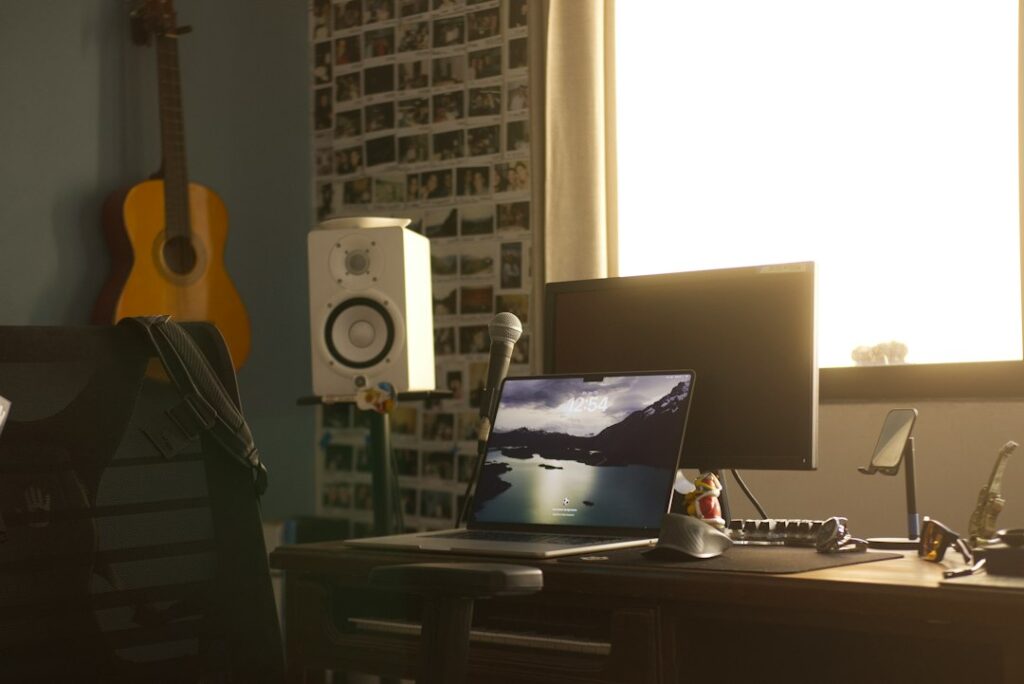
A calm studio space serves as a sanctuary for creativity, allowing artists to immerse themselves in their work without the distractions of the outside world. The environment in which one creates can significantly influence the quality of the output. A serene atmosphere fosters inspiration, enabling artists to explore their ideas freely and without interruption. When the studio is organized and peaceful, it becomes a canvas in itself, setting the stage for artistic expression and innovation.
Moreover, a calm studio space can have profound effects on mental well-being. In a world filled with chaos and noise, having a dedicated area that promotes tranquility can help reduce stress and anxiety. This peaceful environment encourages mindfulness, allowing artists to focus on their craft while also nurturing their mental health. By prioritizing a calm studio, artists can cultivate a space that not only enhances their creativity but also supports their emotional and psychological needs.
Creating a serene environment in your studio is essential for mental decompression, and you might find additional insights in the article on enhancing your creative space. For more tips on how to cultivate a peaceful atmosphere that fosters relaxation and inspiration, check out this related article: Enhancing Your Creative Space. By implementing these strategies, you can transform your studio into a sanctuary that promotes mindfulness and creativity.
Choosing the Right Location for Your Studio
Selecting the ideal location for a studio is crucial in establishing a calm atmosphere. The chosen space should be away from high-traffic areas and loud environments, allowing for uninterrupted focus. Ideally, it should be situated in a quiet part of the home or even in a separate building if possible. This separation from daily distractions can create a mental boundary that signals to the artist that it is time to create.
Additionally, accessibility plays a significant role in choosing the right location. A studio that is easy to reach encourages regular use, making it more likely that the artist will spend time there. Whether it’s a spare room, a garage, or an outdoor shed, the location should inspire creativity and comfort. The right setting can transform an ordinary space into an extraordinary haven for artistic exploration.
Decluttering: The First Step to Mental Clarity
Decluttering is often the first step toward achieving mental clarity in a studio space. A cluttered environment can lead to feelings of overwhelm and distraction, making it difficult for artists to concentrate on their work. By removing unnecessary items and organizing supplies, artists can create an open and inviting atmosphere that promotes focus and creativity. This process not only clears physical space but also helps clear mental space, allowing for fresh ideas to flow.
Moreover, decluttering can be therapeutic in itself. As artists sort through their materials and decide what to keep or discard, they engage in a reflective process that can lead to new insights about their work and creative journey. This intentional act of organizing can serve as a form of meditation, helping to ground the artist and prepare them mentally for the creative tasks ahead.
Selecting Soothing Color Palettes
The colors chosen for a studio can significantly impact mood and creativity. Soft, soothing color palettes tend to promote relaxation and calmness, making them ideal for a creative space. Shades of blue, green, and neutral tones can create an inviting atmosphere that encourages focus and inspiration. These colors have been shown to reduce stress levels and enhance concentration, making them perfect choices for an artist’s sanctuary.
In contrast, overly bright or harsh colors can be distracting and overwhelming. While some artists may thrive in vibrant environments, many find that softer hues allow for deeper contemplation and creativity. By carefully selecting a color palette that resonates with their personal style and emotional needs, artists can create a harmonious environment that nurtures their creative spirit.
Creating a serene environment in your studio can significantly enhance your mental well-being, and if you’re looking for more tips on fostering tranquility, you might find this article helpful. It explores various techniques for achieving a peaceful atmosphere that promotes relaxation and creativity. By incorporating elements such as soft lighting, calming colors, and minimal distractions, you can transform your workspace into a sanctuary. For additional insights, check out this informative piece on creating a peaceful environment that complements your efforts in setting up a calm and quiet space for mental decompression.
Incorporating Natural Light and Ventilation
Natural light plays a vital role in creating a calm studio space. It not only illuminates the area but also has been shown to improve mood and productivity. Large windows or skylights can flood the studio with sunlight, creating an uplifting atmosphere that inspires creativity. Additionally, exposure to natural light helps regulate circadian rhythms, promoting better sleep patterns and overall well-being.
Ventilation is equally important in maintaining a serene environment. Fresh air circulation can enhance focus and reduce feelings of fatigue or lethargy. Artists should consider incorporating windows that open or using fans to ensure proper airflow within the studio. A well-ventilated space not only feels more comfortable but also contributes to clearer thinking and heightened creativity.
Creating a serene environment in your studio can significantly enhance your mental well-being, allowing for effective decompression after a long day. To further explore techniques for cultivating tranquility, you might find it helpful to read this insightful article on designing peaceful spaces. By incorporating elements such as soft lighting, calming colors, and minimal clutter, you can transform your studio into a sanctuary that promotes relaxation and creativity.
Adding Comfortable and Functional Furniture
The furniture chosen for a studio should prioritize both comfort and functionality. An ergonomic chair and desk setup can make long hours of work more enjoyable, reducing physical strain on the body. Artists often spend extended periods in their studios, so investing in quality furniture is essential for maintaining comfort during creative sessions.
In addition to comfort, furniture should also be functional and adaptable to the artist’s needs. Tables with adjustable heights or storage solutions that keep supplies organized can enhance workflow and efficiency. By selecting furniture that aligns with their creative process, artists can create an environment that supports their artistic endeavors while ensuring they remain comfortable throughout their work.
Using Plants and Natural Elements to Enhance Calmness
Incorporating plants and natural elements into a studio space can significantly enhance its calming atmosphere. Plants not only add aesthetic appeal but also improve air quality and promote feelings of well-being. Studies have shown that being around greenery can reduce stress levels and increase productivity, making them an excellent addition to any creative environment.
Natural elements such as wood, stone, or water features can further contribute to a serene atmosphere. These materials evoke a sense of connection to nature, which can be grounding for artists as they immerse themselves in their work. By thoughtfully integrating plants and natural elements into the studio design, artists can create a tranquil oasis that nurtures both creativity and mental clarity.
Integrating Sound Control and Soothing Audio
Sound control is another essential aspect of creating a calm studio space. Noise pollution from outside sources can be distracting and detrimental to focus. Artists may consider soundproofing options such as acoustic panels or heavy curtains to minimize external disturbances. This creates an environment where they can fully immerse themselves in their creative process without interruptions.
In addition to controlling external noise, integrating soothing audio elements can enhance the overall ambiance of the studio. Soft music or nature sounds can create a peaceful backdrop that encourages relaxation and concentration. Artists may find that certain types of music or soundscapes help them enter a flow state, allowing for deeper engagement with their work.
Organizing Art Supplies for Easy Access and Minimal Stress
An organized workspace is crucial for minimizing stress during the creative process. Artists should develop systems for storing art supplies that allow for easy access while keeping clutter at bay. Clear bins, labeled drawers, or wall-mounted organizers can help maintain order within the studio, ensuring that everything has its place.
By streamlining access to materials, artists can focus more on their work rather than searching for supplies. This organization not only enhances efficiency but also contributes to a sense of calmness within the studio environment. When everything is easily accessible, artists are free to explore their creativity without unnecessary interruptions.
Creating a Personal Ritual for Mental Decompression
Establishing a personal ritual for mental decompression is vital for maintaining balance within the creative process. This ritual could involve activities such as meditation, journaling, or even simple stretching exercises before beginning work in the studio. By taking time to center themselves before diving into their art, artists can cultivate a mindset conducive to creativity.
These rituals serve as transitions between daily life and creative work, helping artists mentally prepare for their sessions in the studio. Over time, these practices become ingrained habits that signal to the mind that it is time to create. This intentional approach fosters a deeper connection with the artistic process while promoting overall well-being.
Maintaining Your Calm Studio Space for Long-Term Benefits
Creating a calm studio space is not just about initial setup; it requires ongoing maintenance to ensure its continued effectiveness as a sanctuary for creativity. Regularly reassessing the organization of supplies, refreshing color palettes, or even rearranging furniture can help keep the environment dynamic and inspiring. Artists should make it a habit to periodically evaluate what works best for them and make adjustments as needed.
Additionally, maintaining cleanliness within the studio is essential for preserving its calming atmosphere. A tidy workspace promotes clarity of thought and reduces distractions, allowing artists to focus on their craft fully. By committing to regular upkeep of their studio space, artists can enjoy long-term benefits that enhance both their creativity and mental well-being.
In conclusion, creating a calm studio space is an essential endeavor for any artist seeking to nurture their creativity while maintaining mental clarity. From choosing the right location to incorporating natural elements and establishing personal rituals, each aspect contributes to an environment conducive to artistic exploration. By prioritizing these elements, artists can cultivate a sanctuary that not only inspires creativity but also supports their overall well-being in the long run.